

Overview
Braces use small brackets bonded to the teeth and a thin wire that connects them. Over time, adjustments to the wire apply gentle, steady pressure that moves teeth into new positions. Braces are available in traditional metal or in clear, tooth-coloured ceramic, which is less noticeable.
Who may benefit
Braces can address crowded or spaced teeth, overbites, underbites, crossbites, and other bite problems. They are used for children, teens, and adults. Whether braces are the right option for you depends on your teeth, your bite, and your goals, which Dr. Burns will discuss at your consultation.
The general process
- Consultation and examination with Dr. Burns
- Records such as photographs and X-rays, if treatment is recommended
- Placement of brackets and wires
- Regular adjustment visits during treatment
- Removal of braces and a retainer to help keep teeth in place
Benefits and practical considerations
Braces are fixed, so they work all the time without needing to be remembered. They do require careful brushing and flossing and some changes to what you eat, such as avoiding hard and sticky foods. Treatment length varies from patient to patient; Dr. Burns will give you an estimate based on your own case.
Frequently asked questions
Both work the same way. Clear braces use tooth-coloured ceramic brackets that are less visible. Dr. Burns can explain which may suit you.
Many patients feel some soreness for a few days after braces are placed or adjusted. Our team will explain how to manage it.
Yes. We recommend a mouthguard for contact sports. Ask our team which type to use.
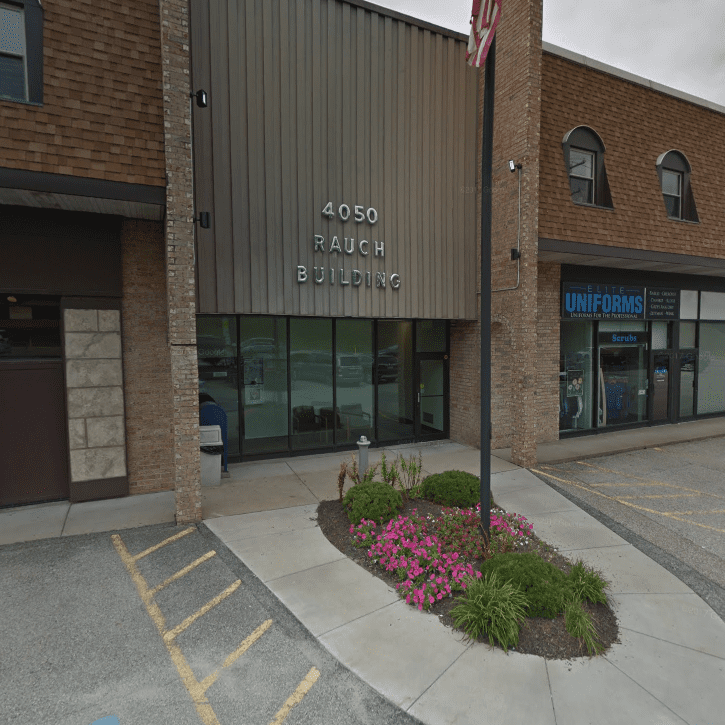
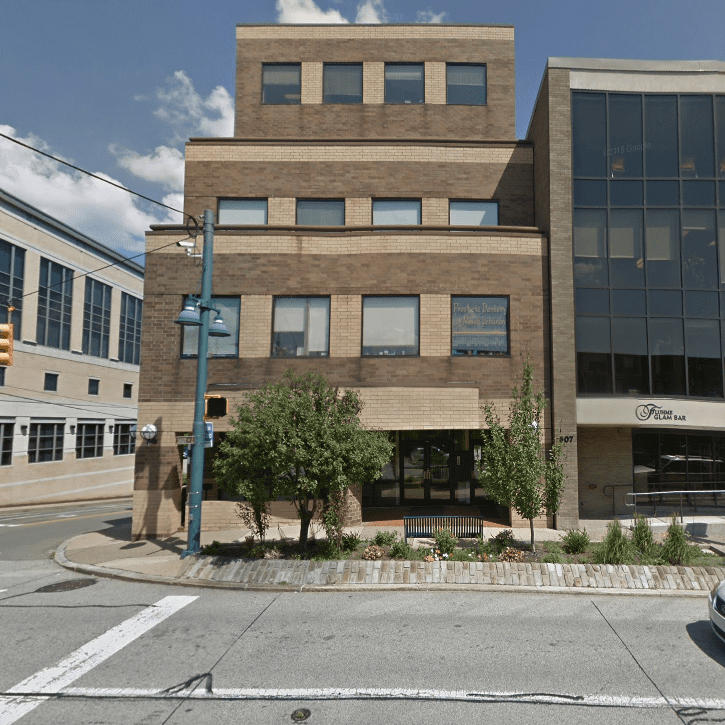
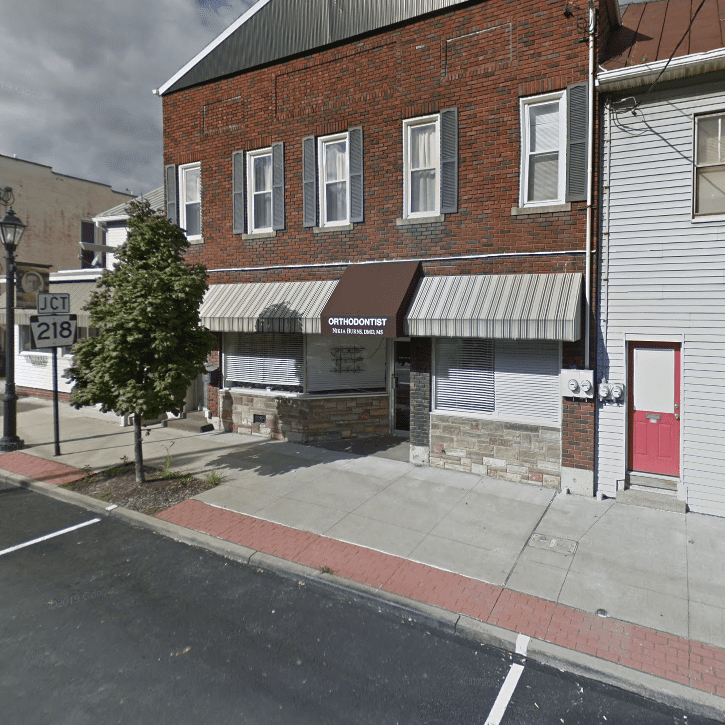
Where Braces is offered
Ready to Take the Next Step?
Request a consultation at the office that suits you. Our team will confirm your appointment with you.